A share in an aircraft, not the whole thing.
Shared (or "fractional") ownership means buying a percentage stake in a specific aircraft — typically an eighth, a twelfth, or a sixteenth — alongside other owners. In return, you're allocated a fixed number of flight hours each year on that aircraft, plus a monthly management fee that covers hangarage, crew, insurance and base operations.
Unlike a charter, you're committing real capital upfront, and you're tied to one specific aircraft type and home base for the length of the contract. In return, your per-flight-hour cost is typically lower than paying for individual charters — but only once the numbers are worked through properly, which is what the rest of this page does.
Worked example: a representative fractional program.
To keep this comparison grounded in real numbers rather than estimates, we've used a representative 2026 fractional ownership rate structure for a Cessna Citation M2 Gen3 or Cessna Citation CJ3+ Gen3, based in Paris and Cannes — figures typical of current shared-ownership programs in this aircraft category.
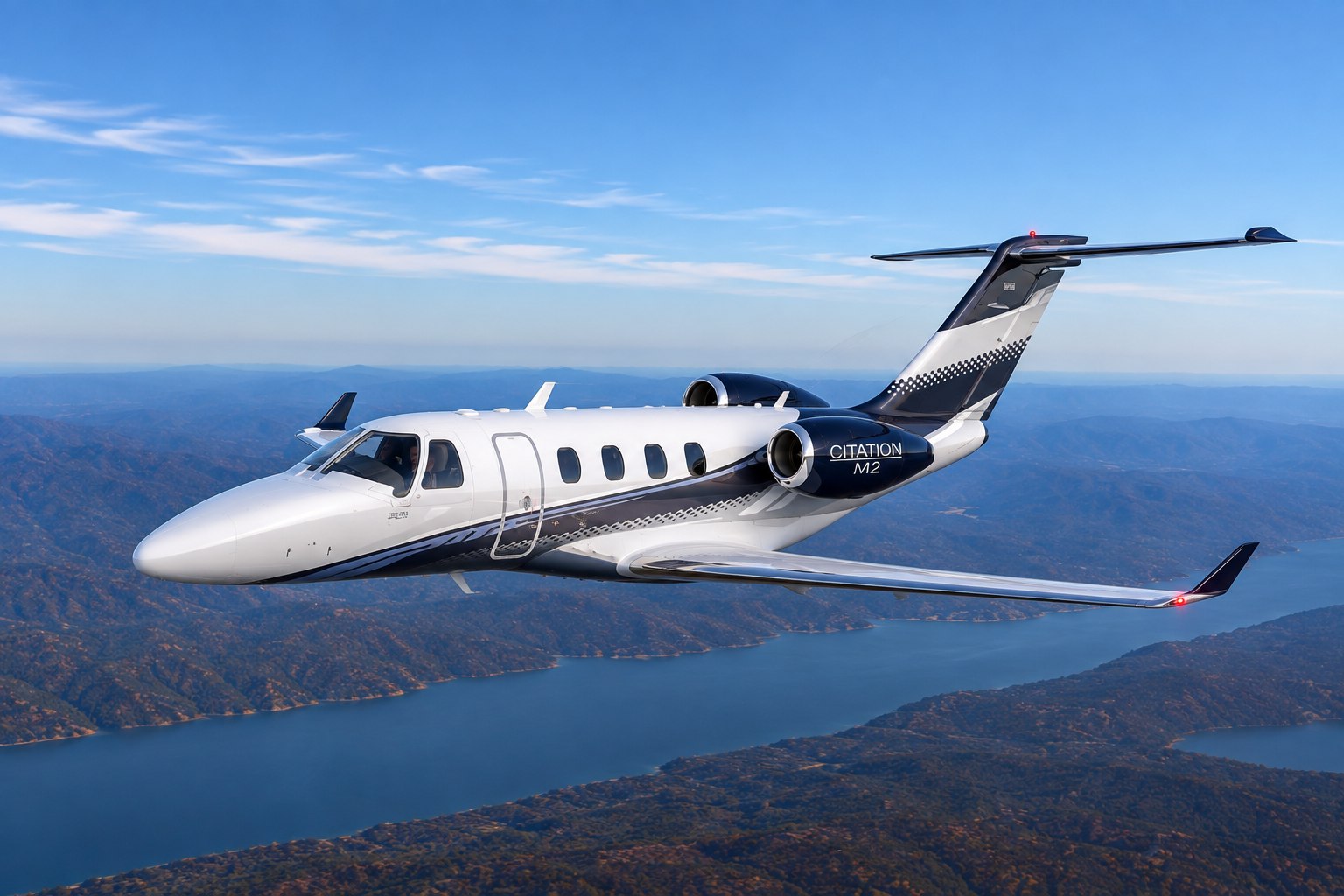
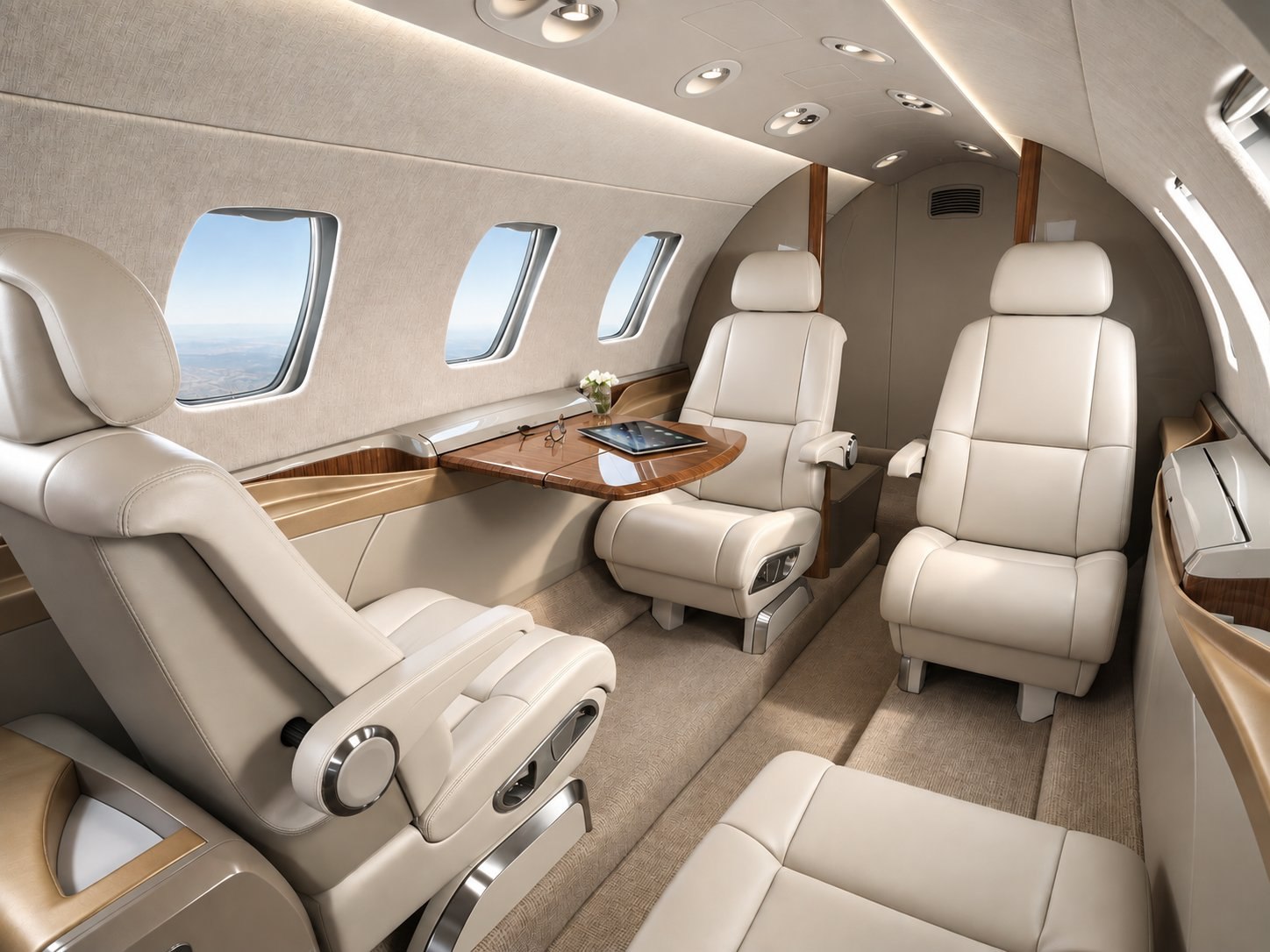
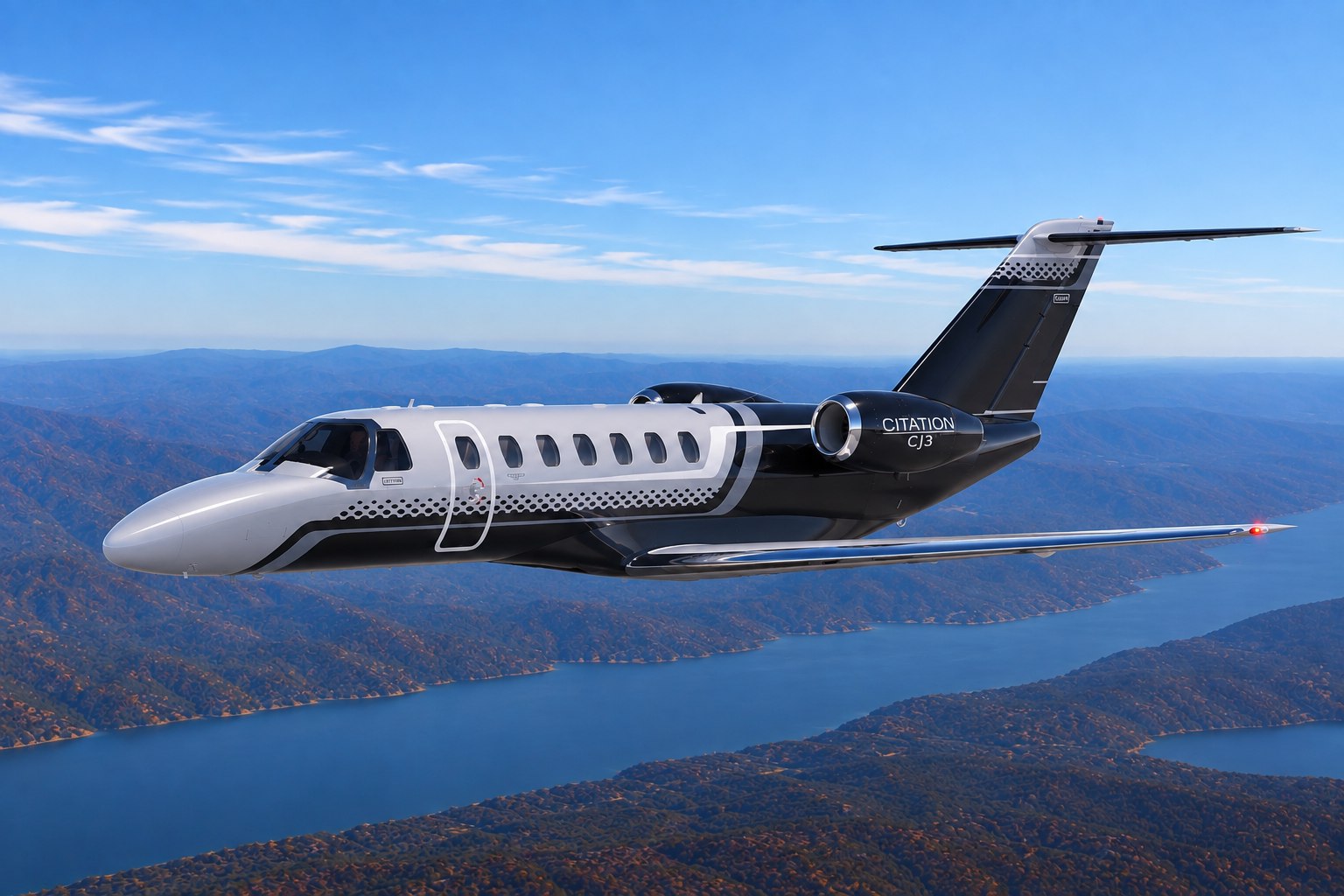
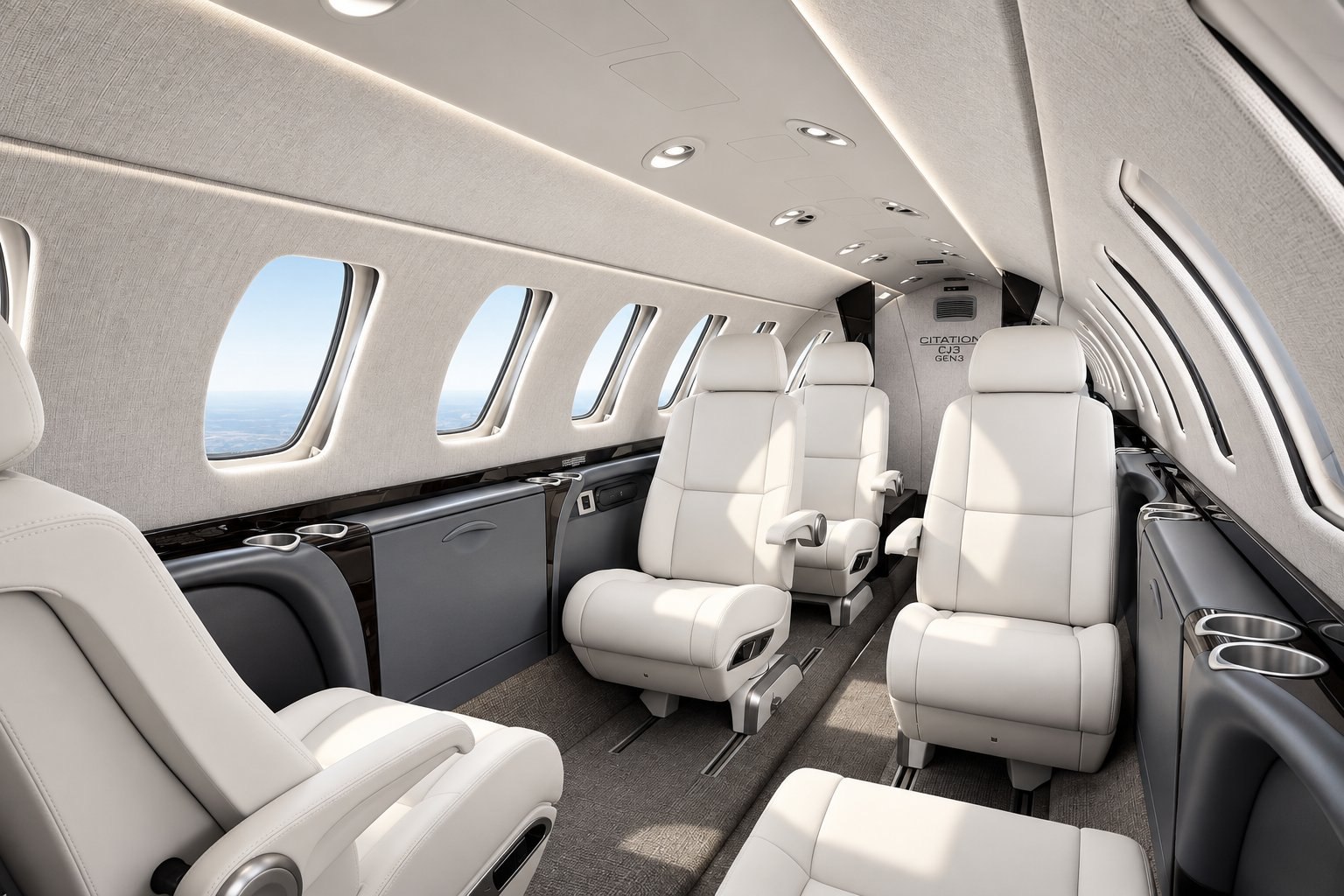
| Share terms | 1/8 Cessna M2 Gen3 | 1/12 Cessna CJ3+ Gen3 |
|---|---|---|
| Allocated flight hours / year | 50h | 50h |
| Initial investment | €1,000,000 | €1,000,000 |
| Monthly fixed costs | €3,500 | €3,500 |
| Flight hour rate — on board | €2,600 | €3,500 |
| Flight hour rate — ferry (no pax) | €1,500 | €2,200 |
| Minimum buyout at contract end | €500,000 | €500,000 |
| Estimated annual operating budget | €172,000 | €217,000 |
Same 50 hours, three ways to fly them.
To compare fairly, we've set Takair's classic charter rate at a representative €10,000 per flight hour — a realistic figure for the super-midsize / heavy jet category comparable to the M2 and CJ3+ in capability — for the same 50 annual flight hours.
In year one, charter is dramatically cheaper — shared ownership requires locking up a seven-figure sum before a single hour is flown. The picture only starts to change once that capital is considered over the full length of a contract, not just the first year.
What changes over a multi-year horizon.
Assuming the minimum €500,000 buyout is recovered at the end of the contract, the €1,000,000 investment effectively costs €500,000 net — spread across however many years the share is held. Here's the cumulative cost of each option, assuming the full 50 hours are flown every year:
| Year | Classic Charter | M2 Share | CJ3+ Share |
|---|---|---|---|
| 1 | €500,000 | €672,000 | €717,000 |
| 2 | €1,000,000 | €844,000 | €934,000 |
| 3 | €1,500,000 | €1,016,000 | €1,151,000 |
| 4 | €2,000,000 | €1,188,000 | €1,368,000 |
| 5 | €2,500,000 | €1,360,000 | €1,585,000 |
On these assumptions, the M2 share breaks even against charter at roughly 1.5 years of ownership, and the CJ3+ share at roughly 1.8 years — after which shared ownership becomes progressively cheaper, with the gap widening every additional year the aircraft is held.
Where each option genuinely makes sense.
Shared Ownership
- You fly close to the same number of hours, on the same aircraft type, every year without fail
- You're comfortable committing significant capital for multiple years
- You value guaranteed aircraft availability over flexibility of aircraft type
- You're confident you'll hold the share long enough to pass the break-even point
Classic Charter (Takair)
- Your flying needs vary year to year, or you're not sure yet how many hours you'll actually use
- You want the freedom to choose a different aircraft category for each trip — a light jet for a quick hop, a long-range jet for an intercontinental leg
- You'd rather not tie up seven figures of capital, or exit whenever you choose
- You fly fewer than roughly 30-40 hours a year, where the break-even math above rarely closes in shared ownership's favour
Not sure which makes sense for you?
Tell us roughly how you fly — Takair can model both options against your real travel pattern, no obligation.